
Language
Search

- Home
- >
- Products
- >
- Filter bag cage
- >
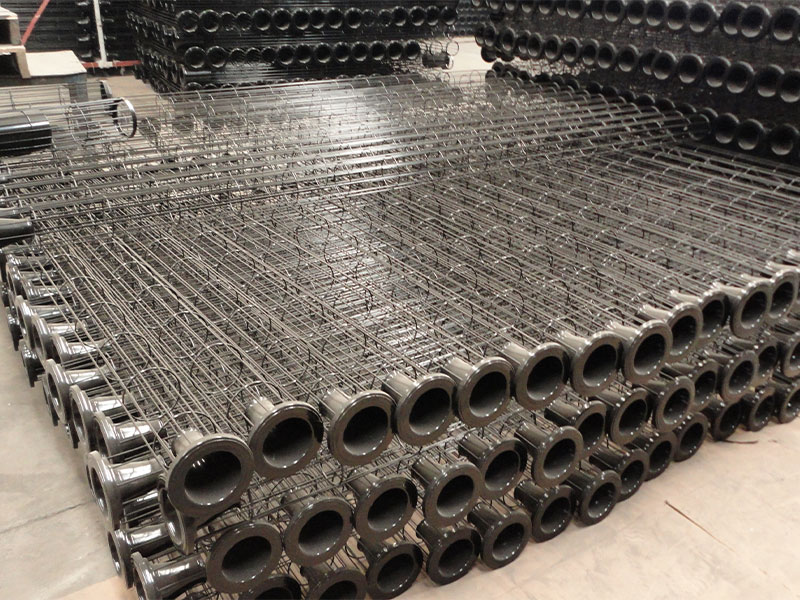
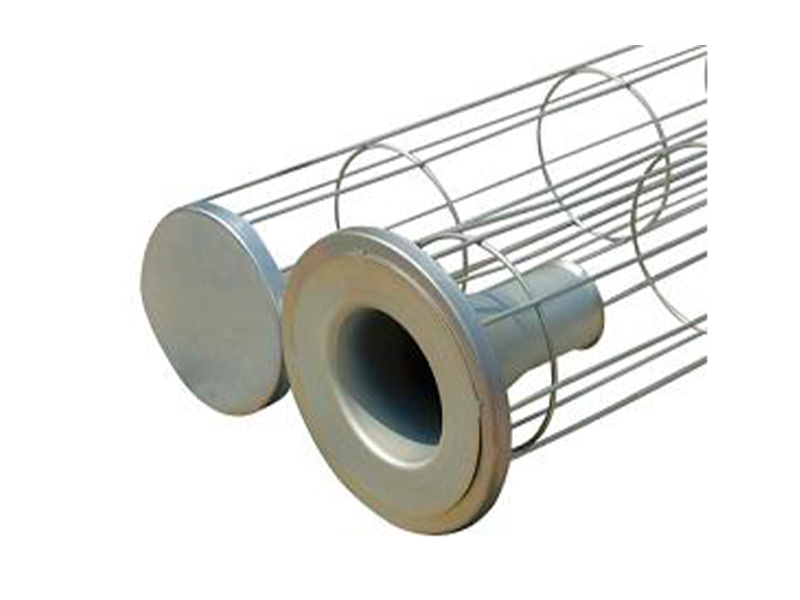
The filter bag cage, also known as bag cage, cage bone, or filter bag frame, is a metal skeleton accessory that supports the filter bag in a bag filter.
Structural composition
The filter bag cage is a metal skeleton accessory that supports the filter bag in a bag filter. When installed on the flower plate hole of the dust collector, it can effectively support the filter bag to prevent collapse. Its structural quality directly affects the service life of the filter bag and the dust removal effect.
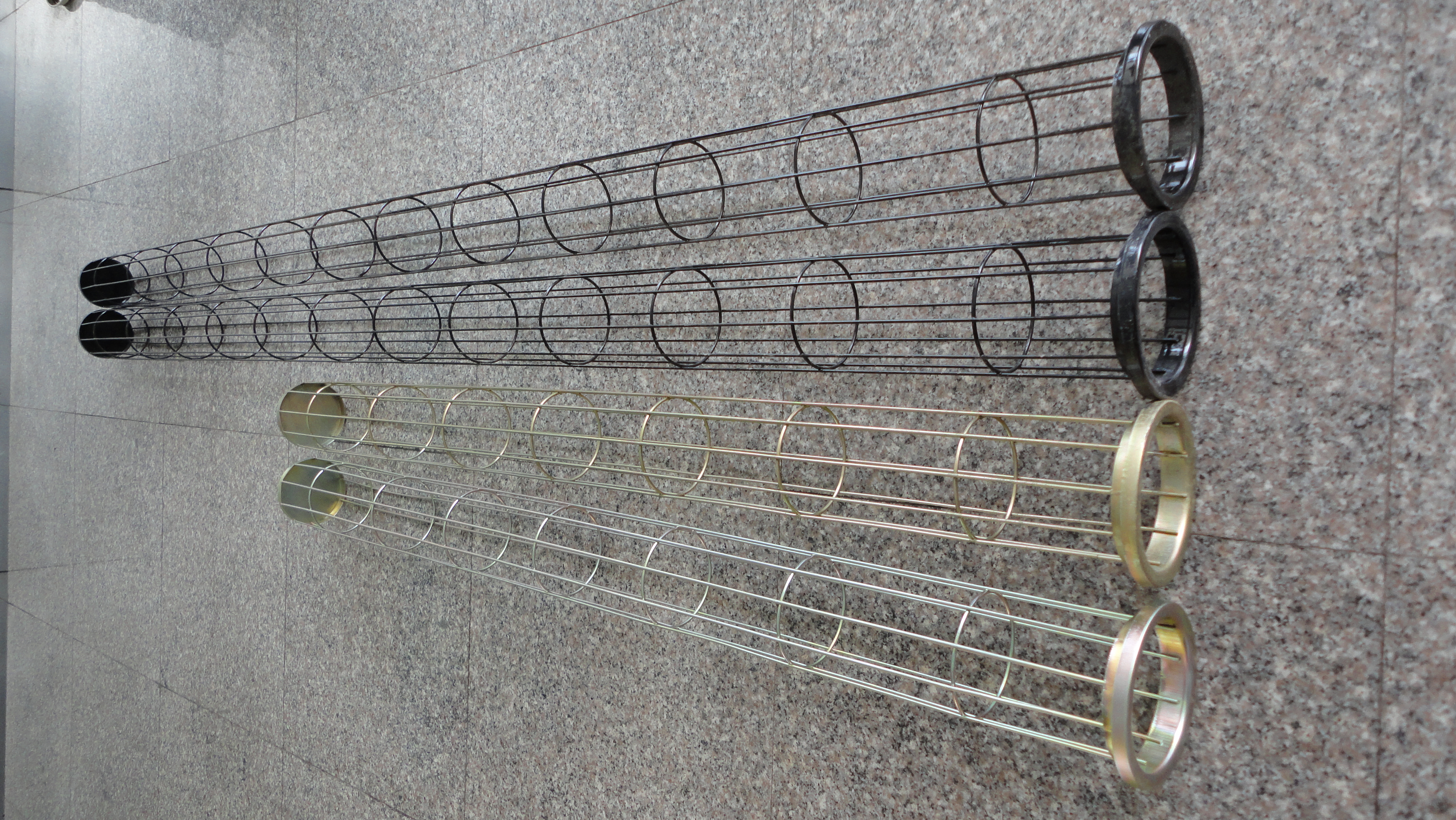
The basic structure is a circular cage structure formed by welding longitudinal bars and support rings. The number of longitudinal bars is usually 6 - 24, and the spacing between support rings is mostly 200 millimeters. There are stamping parts such as venturi tubes, flanges, and chassis at both ends.
The material is mainly made of cold - drawn carbon steel or stainless - steel wires. The surface is treated with galvanizing, powder coating, or silicone treatment processes. Among them, the silicone coating has both high - temperature resistance and corrosion - resistance characteristics.
The stainless - steel bag cage is made of high - quality 304 or 316L stainless - steel wires. It has good high - temperature resistance, corrosion resistance, and stable structure performance. It can be used in an environment of ≤400°C for a long time and is suitable for high - humidity, highly corrosive, or clean environments such as food and medicine industries without additional surface protection.
Application fields
Filter bag cages are mainly used in dust removal equipment in industrial fields such as chemical, metallurgy, building materials, steel, cement, and thermal power generation.
Its specific application scenarios cover dust control and flue gas filtration in industries such as the cement industry (e.g., high - temperature dust removal systems at the kiln tail), the power industry (including coal - fired thermal power generation, waste incineration power generation, and biomass power generation), the steel and metallurgy industry, the chemical industry, non - ferrous metal smelting (e.g., aluminum), coal processing, wood processing, and road construction.
In environments that require cleanliness or corrosion prevention, such as the chemical, pharmaceutical, and food industries, stainless - steel bag cages (e.g., made of 304 or 316L materials) are often used to resist high - humidity and highly corrosive working conditions.